
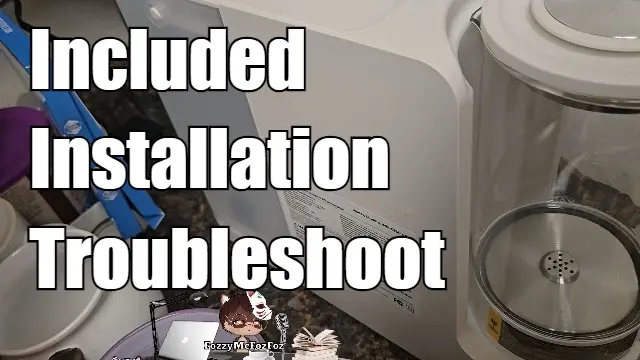
The Waterdrop C2SL reverse osmosis filter promises clean water without any permanent plumbing work. I unboxed one, set it up on my kitchen counter, and ran it through its first flush cycle. This review walks through what’s in the box, how setup went, and the small issue I ran into on day one.
As an Amazon Associate, I earn from qualifying purchases. This post contains affiliate links, and I may earn a commission if you buy through them at no extra cost to you.
As an Amazon Associate, I earn from qualifying purchases.
► Waterdrop C2SL Reverse Osmosis Filter: (Amazon)
► Storefront: (Amazon)
I’m not a plumber or a water quality expert. However, I tested this unit like a typical buyer, straight out of the box, following the included instructions. I’ll flag anywhere the manual and real-world use didn’t line up. If you’re comparing countertop filtration options and want a plain rundown of setup and first use, this covers it.
What Comes in the Waterdrop C2SL Box for reverse osmosis
Inside the box, the Waterdrop C2SL reverse osmosis filter ships with a user manual and a separate filter replacement guide. The main unit sits in the center of the packaging, with a glass water pitcher packed to one side. I expected the pitcher to be plastic, so the glass build was a pleasant surprise.
The filter cartridge itself has real weight to it, close to two pounds by feel. That heft is a small but reassuring sign of the membrane material packed inside. A lid for the reservoir is tucked in separately and it’s easy to overlook.
Setting Up the Waterdrop C2SL Reverse Osmosis Filter
Setup follows a short sequence: install the filter, place the pitcher, fill the tank, and power on the unit. The included quick guide lays out each step with simple icons, which kept me from having to dig through the full manual. I’d still recommend skimming the manual once before you start.
Installing the filter cartridge is a twist-and-lock motion, similar to changing an air filter housing. An arrow on the housing marks the unlock and lock direction, and you turn clockwise to seat it. Mine clicked into place without much resistance.
Next, the manual says you should hear a beep once it’s seated. I didn’t hear one, even without the unit plugged in yet, which the guide implies should still happen. It’s a minor detail, but worth knowing so you don’t assume something is wrong.
After the filter goes in, the water tank lifts out from the back of the unit for filling. A strip of tape holds it in place for shipping, and you’ll want to peel that off before your first fill. The tank slides back into a marked channel, so there’s only one way it fits.
How the Auto-Flush and Fill Cycle Works
Once you fill the tank and plug in the unit, the Waterdrop C2SL runs an automatic flush cycle before it’s ready for regular use. The manual is clear that you should discard the first two pitchers of water rather than drinking them. This is standard for new reverse osmosis membranes, since the initial flush clears manufacturing residue from the filter media.
My one real hiccup happened here. I didn’t fill the tank all the way to the max line on my first attempt, and the unit flagged a low-water warning mid-cycle. Filling to the line exactly fixed it on the next run.
I also tested what happens when the tank runs low during normal use, since I wanted to see if the Waterdrop C2SL reverse osmosis filter would try to overfill itself. It sat idle for a minute or two with no reaction. Only once the water level dropped further did it start pulling and refilling on its own, and it stopped cleanly at the max line every time rather than overflowing.
Control Panel, Maintenance, and Descaling
The control panel uses a simple light system to communicate status. No light means normal operation, while a red light means the filter needs replacing. Holding the reset button for five seconds clears that light after a swap.
A separate red indicator warns when the water tank is running low. The voice prompt can be turned off by holding a button for five seconds. Holding the drain and water-drop buttons together puts the unit into descaling mode.
According to the manual, the internal tank component should be rinsed every time you refill the reservoir, and the kettle holder wiped down weekly. Monthly, you’re meant to run citric acid or a comparable descaler for about 30 minutes. The filter itself is rated for a 12-month replacement cycle.
Waterdrop C2SL Pros and Cons
Pros
- Glass pitcher instead of plastic
- Simple twist-lock filter install, no tools needed
- Auto-fill stops precisely at the max line, no overflow in my test
- Clear light system for filter status and low water
- No permanent plumbing connection required
Cons
- Under filling the tank on first use triggers a low-water warning
- First two pitchers of water must be discarded, so it’s not instant
How the Waterdrop C2SL reverse Osmosis Compares to Pitcher and Under-Sink Filters
A basic pitcher filter is cheaper up front and needs no power. It also can’t remove the same range of contaminants that a membrane-based system handles, since most pitcher cartridges rely on activated carbon alone rather than the pressure-driven membrane process reverse osmosis uses. That difference matters most if your water report shows lead, chromium, or high dissolved solids rather than just taste and odor issues.
An under-sink reverse osmosis system usually filters a similar range of contaminants, but it requires drilling into a cabinet and tying into your existing plumbing. That’s a bigger project, and it’s not an option for most renters. The Waterdrop C2SL reverse osmosis filter sits in the middle: no plumbing work, but a larger reservoir and more thorough filtration than a pitcher offers.
The trade off is counter space and a manual fill step every time the tank runs low. If that’s an acceptable routine for your kitchen, the coverage gap between a $20 pitcher filter and a $300+ plumbed system is exactly where this unit fits.
Who Should Buy This Countertop Reverse Osmosis Filter
The Waterdrop C2SL reverse osmosis filter makes the most sense for renters or anyone who doesn’t want to cut into existing plumbing. Point-of-use reverse osmosis systems like this one are built to reduce common contaminants such as lead, chromium, and dissolved solids, according to EPA guidance on point-of-use RO systems. If counter space near an outlet is available, installation takes under 15 minutes from unboxing to first flush.
It’s also a reasonable pick if you already run a countertop kitchen setup and want to add filtration without a full remodel. Households that go through a pitcher filter every week or two will likely appreciate the larger reservoir here. Anyone who moves apartments often will also get more use out of a unit that packs up and travels with no plumbing to disconnect.
Families with kids who fill their own water bottles may also like the auto-fill behavior. The unit only tops itself off once the tank drops low enough, and it stops cleanly at the max line, so there’s little risk of a counter spill from an unattended fill.
Who Should Skip It
If you already have an under-sink reverse osmosis system plumbed in, this unit won’t add much. Anyone tight on counter space may also find the footprint, tank included, larger than a standard pitcher filter. For a deeper look at how reverse osmosis treatment works in general, the Nebraska Extension guide to RO drinking water treatment is a solid plain-language resource.
Frequently Asked Questions About the Waterdrop C2SL
Do I need to install anything under my sink?
No. The Waterdrop C2SL reverse osmosis filter sits on the counter and only needs an outlet and a water source to fill the tank manually.
Is the first water it produces safe to drink?
The manual instructs discarding the first two pitchers during the initial auto-flush. After that, the unit is ready for normal use.
How often does the filter need to be replaced?
The manual lists a 12-month replacement cycle for the filter cartridge under normal use.
Final Verdict on the Waterdrop C2SL Reverse Osmosis Filter
Setup took some trial and error on my first fill, but the Waterdrop C2SL reverse osmosis filter handled auto-fill and shutoff exactly as described once the tank was filled correctly. The glass pitcher and simple light-based controls are the standout details for daily use. I haven’t run the descaling cycle yet, and I’ll follow up once I have a few months of regular use behind it.
Note: I have not yet run this unit through a full descaling cycle or long-term use, so this review reflects unboxing and initial setup only. I’ll update this post after more time with the filter.
As an Amazon Associate, I earn from qualifying purchases.
► Waterdrop C2SL Reverse Osmosis Filter: (Amazon)
► Storefront: (Amazon)
Leave a Reply